
All you need to know about Estoppel Certificates (2024)
Legally, the term ‘Estoppel’ refers to a document used to verify the terms, conditions, and status of a legal agreement.
Similarly in CRE, an estoppel certificate is a just as important document signed by a tenant. It confirms their understanding of their lease’s terms and conditions. A tenant also has to provide an estoppel upon request.

Additionally, estoppel certificates help ensure that all parties involved in a commercial lease transaction are on the same page – which makes these documents vital for landlords, tenants, and real estate professionals alike.
This post explores the role of estoppel in commercial real estate transactions, its impact on success, and answers some frequently asked questions.
Estoppel Certificates: Key Takeaways
Estoppel is a legal document that verifies the terms, conditions, and status of a lease agreement in commercial real estate.
The role of estoppel in lease agreements is to offer clarity and certainty about the terms of a lease agreement and can protect both parties from any false statements made about the property.
The impact of estoppel on commercial real estate success cannot be ignored. It plays a significant role in ensuring that all parties involved in a transaction are aware of the terms and conditions of the lease agreement.
What are Estoppel Certificates? A Detailed Overview
Estoppel is a legal term that prohibits someone from taking a position that is contrary to what they have previously stated.
You’ll find that the term is commonly used in commercial real estate transactions – where it refers to a document that is signed by a tenant, which verifies the terms, conditions, and status of the lease they have signed off on.
Estoppel certificates serve as a legal document that outlines the nature of the relationship between the landlord and tenant. It offers clarity and certainty about the terms of a lease agreement and can protect both parties from any false statements made about the property.

Why are Estoppel Certificates Important?
In short, an estoppel certificate is a legal document that serves as a snapshot of the lease agreement. It captures the essential details for all parties to see. It also outlines the nature of the relationship between the landlord and tenant.
So, its importance lies in the fact that it can be used as evidence in court if there is a dispute between the landlord and tenant. It’s used during due diligence when a property is being sold or refinanced as well.
What Parties are Involved in Estoppel Certificates?
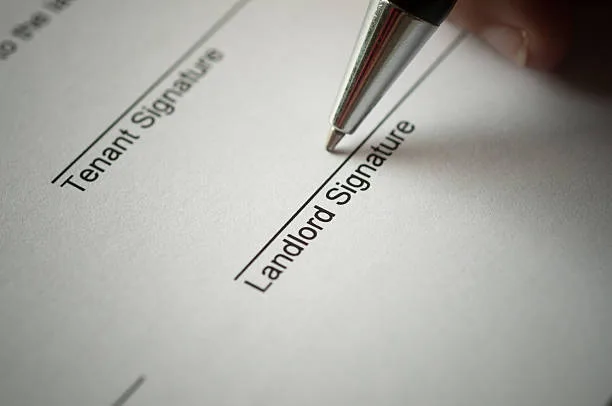
An estoppel is signed by both the tenant and landlord—or their respective representatives. It’s used to affirm that the information provided is accurate and correct.
The document is often required by lenders, investors, and potential buyers during the acquisition process to ensure that there are no disputes or claims that could arise from the lease agreement.
What’s the Role of Estoppel Certificates in the Underwriting Process?
During the underwriting process, the buyer or lender will request an estoppel certificate from the tenant.
The tenant will then provide a certificate that outlines the lease terms, any outstanding obligations, and any other relevant information. The buyer or lender will use this information to assess the property’s value and determine whether it is a sound investment.

Does an Estoppel Certificate Grant Commercial Real Estate Success?
Estoppel certificates play a crucial role in commercial real estate transactions, and their impact on the success of deals cannot be overstated.
For starters, they ensure that the information provided by the landlord and tenant is accurate and complete.
The certificate also serves as a representation of the leased property’s current position, start date, and any liabilities or obligations that may exist under the commercial real estate lease agreement.
Finally, the certificate helps buyers and lenders make informed decisions about the leased property’s value, liabilities, and other relevant factors. It also helps sellers and landlords avoid potential legal disputes that may arise from inaccurate or incomplete information.
What Does an Estoppel Certificate Include?
The estoppel certificate contains information about the lease, including the lease term, rent amount, rent payment frequency, security deposit, and any modifications or amendments to the lease agreement. It also includes provisions related to the use of the property, such as restrictions on subleasing, alterations, or use of hazardous materials.
In addition, the estoppel certificate may include information about the landlord’s responsibilities, such as maintenance and repair obligations, and the tenant’s responsibilities, such as insurance requirements and compliance with zoning and building codes.

An estoppel also includes important information about the rent and security deposit conditions. That covers the rent amount, payment frequency, and due date, as well as any late fees or penalties for missed payments.
The certificate will have information about the security deposit, including the amount, how it was paid, and any conditions for its return. This information is critical for both landlords and tenants, as it helps to ensure that rent is paid on time and that security deposits are handled properly.
Note that, by including all relevant information about the lease, the estoppel certificate helps to protect the cash flow of the landlord and the business of the tenant.
What are the Two Types of Estoppel Certificates?
There are two types of estoppel: tenant estoppel and landlord estoppel—read about each in detail below.
A Tenant Estoppel Certificate
A tenant estoppel certificate or letter is required to be provided upon request in many commercial leases. This document is signed by the tenant and confirms the terms and conditions of their lease. This type of estoppel certificate includes:
- Lease commencement date
- Expiration date
- Rental amount
- Security deposit
- Any outstanding rent or fees
- Options to renew
- Special provisions or agreements between the landlord and tenant
When a tenant signs one, it verifies that the provided information is complete to the best of their knowledge. It stops a tenant from later claiming that certain lease terms or conditions are different from what was represented in the certificate.
A Landlord Estoppel Certificate
The landlord estoppel is a document signed by the landlord that verifies the terms of the lease and confirms that there are no defaults or breaches on the part of the landlord. It serves to confirm the current status of a lease directly from the landlord’s perspective.
Potential buyers or lenders during the due diligence process will request this document from landlords – especially when a property is being sold or refinanced. The contents of a landlord estoppel are more or less the same as a tenant one as well.
By signing this certificate, the landlord also confirms the accuracy of the lease’s terms and conditions as stated in the estoppel. Once signed, it becomes a legally binding document between the tenant and landlord.
| Aspect | Tenant Estoppel Certificate | Landlord Estoppel Certificate |
| Purpose | Confirms lease terms from tenant’s perspective. | Confirms lease terms from the landlord’s perspective. |
| Required Party Signature | Tenant | Landlord |
| Contents | – Lease commencement date – Expiration date – Rental amount – Security deposit – Outstanding rent or fees – Options to renew – Special provisions/agreements | – Confirmation of lease terms and conditions – No defaults/breaches on landlord’s part – Similar contents to tenant estoppel |
| Use in Due Diligence | Requested by buyers, lenders during property transactions. | Requested by buyers, lenders during property transactions. |
| Legally Binding | Yes | Yes |
What is the Legality of Estoppel Certificates? Legal Aspects and Due Diligence

Estoppel plays a crucial role in due diligence and legal aspects of commercial real estate transactions. It can help identify any potential default or disputes that could affect the value of the property.
In fact, the letter is usually requested by the potential buyer or lender during due diligence.
Note that estoppel documents are reviewed by attorneys and real estate professionals to ensure that it complies with state law and real estate law.
In case there are any discrepancies or inconsistencies in the estoppel certificate, it could lead to legal disputes and claims. Therefore, it is important for buyers, investors, and lenders to have a real estate attorney review the document before proceeding with the transaction.
SNDA vs. Estoppels: What’s the Difference?
In CRE transactions, both SNDAs and estoppels are equally important—particularly in lease agreements. They often intersect since they serve the same purpose of protecting the interests of various parties involved.
SNDA (Subordination, Non-Disturbance, and Attornment Agreement)
SNDA agreements consist of three main provisions:
- Subordination: The tenant agrees that their lease is subordinate to the landlord’s mortgage (i.e. if the property is foreclosed upon, the lease will be subject to the mortgage)
- Non-Disturbance: The tenant receives assurance from the lender that their lease won’t be terminated as a result of the foreclosure – as long as the tenant complies with its terms.
- Attornment: The tenant agrees to recognize the new owner or leader as the landlord if there’s a change in ownership due to foreclosure or otherwise.

Estoppels
While SNDAs primarily deal with the hierarchy of rights between the tenant, landlord, and lender in the context of financing and ownership changes, estoppels focus on verifying the current status of lease agreements or ownership from the perspective of the party providing the certificate.
Estoppel Certificates: Summary
Estoppel certificates play a vital role in CRE agreements as they provide clarity and assurance to all parties involved. Whether it’s confirming lease terms for tenants or landlords, these documents are crucial tools in the due diligence process as well.
They also verify the current status of lease agreements and help prevent future disputes and ensure transparency in property transactions. As such, our post on understanding estoppel certificates is essential for buyers, sellers, landlords, tenants, and lenders alike.
Frequently Asked Questions
When is an estoppel certificate required?
An estoppel certificate is typically required during the due diligence process of a commercial real estate transaction.
It is used to verify the current terms of a lease between the landlord and tenant, including the length of the lease, monthly rent amount, and any special provisions or conditions. As such, the certificate helps prevent either party from bringing legal action based on false information.
Who benefits from an estoppel certificate?
Both the landlord and tenant benefit from an estoppel certificate.
The landlord can assure cash flow and prevent a tenant from breaking a promise, while the tenant can confirm that the landlord won’t change any agreed-upon terms. It is a legally binding document that protects both parties.
Should a tenant sign an estoppel certificate?
A tenant should carefully review an estoppel certificate before signing it. It is important to ensure that the information provided is accurate and reflects the current terms of the lease. If there are any discrepancies, the tenant should address them with the landlord before signing the certificate.
Does an estoppel supersede a lease?
No, an estoppel certificate does not supersede a lease. It is a document that verifies the current terms of a lease agreement between the landlord and tenant. In case there are any discrepancies between the lease and the estoppel certificate, the lease takes precedence.
What is HOA estoppel?
An HOA (Homeowners Association) Estoppel is a document used in real estate transactions, involving properties that are governed by a homeowners association. Its primary purpose is to disclose important information about the property’s financial and legal status within the HOA.
The document also helps potential buyers understand their financial obligations and any outstanding issues related to the property. Additionally, these estoppels are signed by an authorized representative of the HOA.
Last Updated on May 8, 2026 by Howard Dee